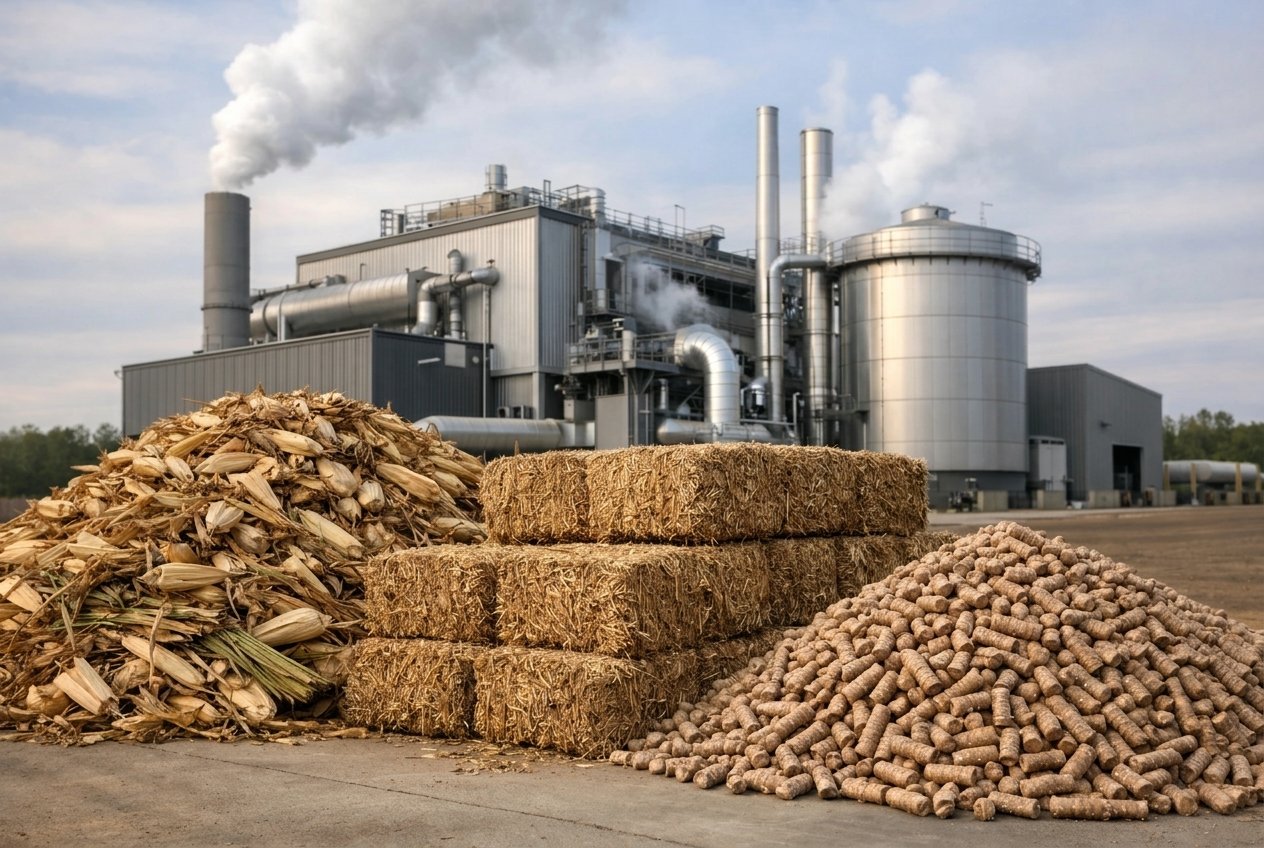
What we make
Six fuels.
One field of origin.
Briquettes — the pressed log.
Ø 50–90 mm · boilers, kilns & furnaces01
Mustard Briquettes
→
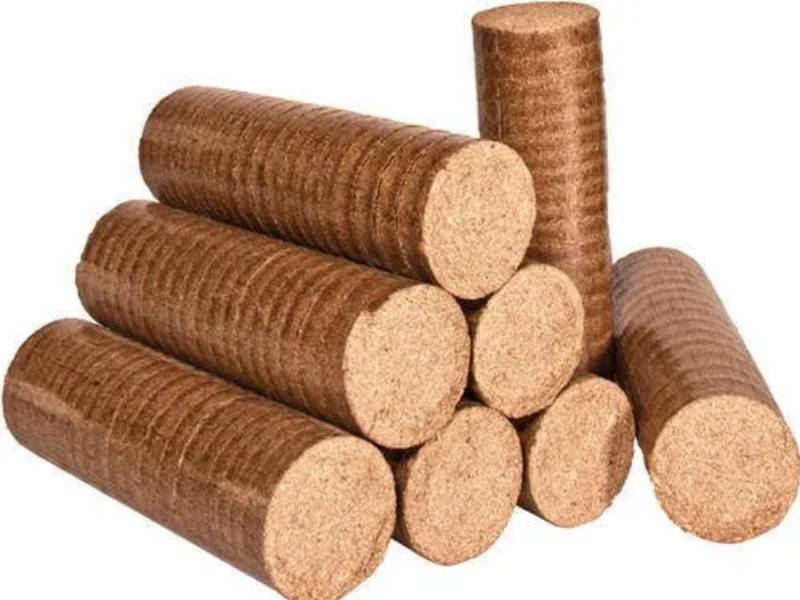
GCV~3,800 kcal/kg
Moisture<10%
Ash~8%
SizeØ 50–90 mm
The workhorse of Rajasthan's boiler belt — dense, consistent, available at volume year-round.
02
Groundnut Briquettes
→
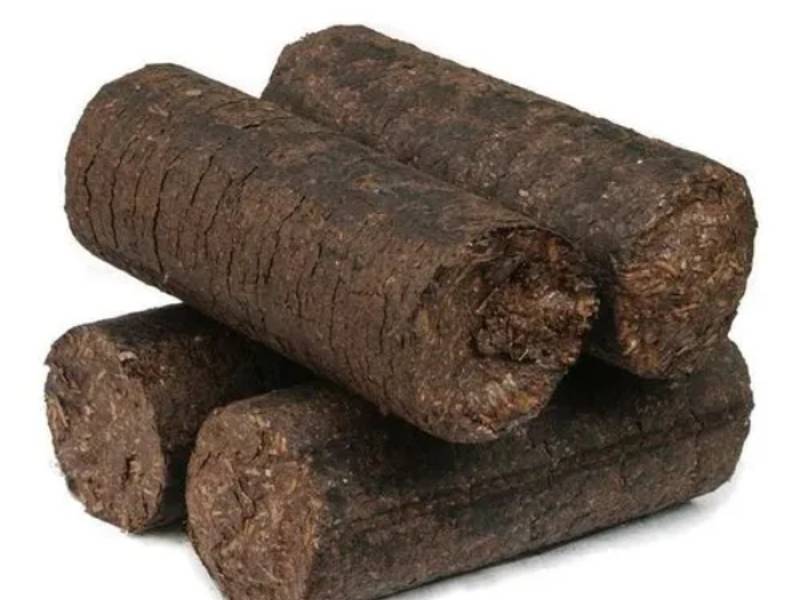
GCV~4,200 kcal/kg
Moisture<9%
Ash~6%
SizeØ 50–90 mm
Low ash, high heat — preferred by process industries that hate slagging.
03
Sawdust Briquettes
→
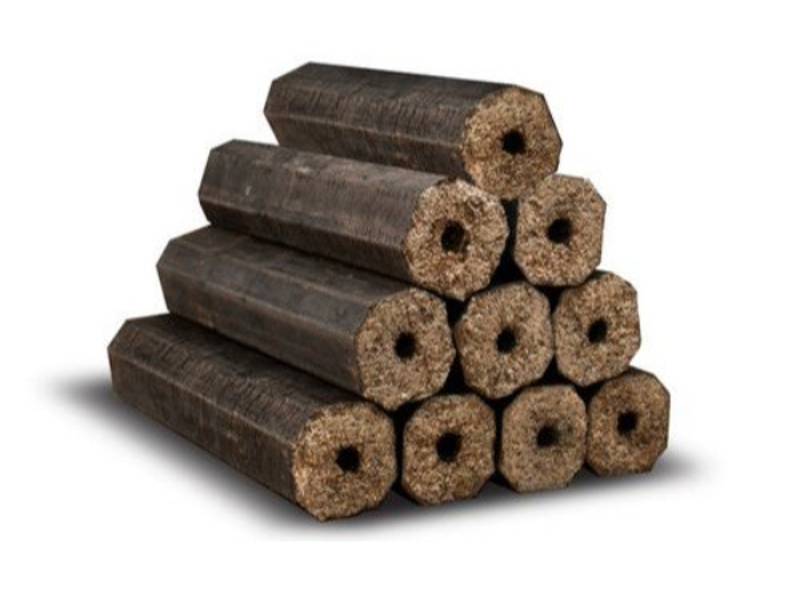
GCV~4,000 kcal/kg
Moisture<8%
Ash~3%
SizeØ 50–90 mm
Clean, low-smoke burn with minimal residue — the kiln favourite.
Pellets — the free-flowing grain.
Ø 6–12 mm · co-firing & automated feed systems04
Mustard Pellets
→
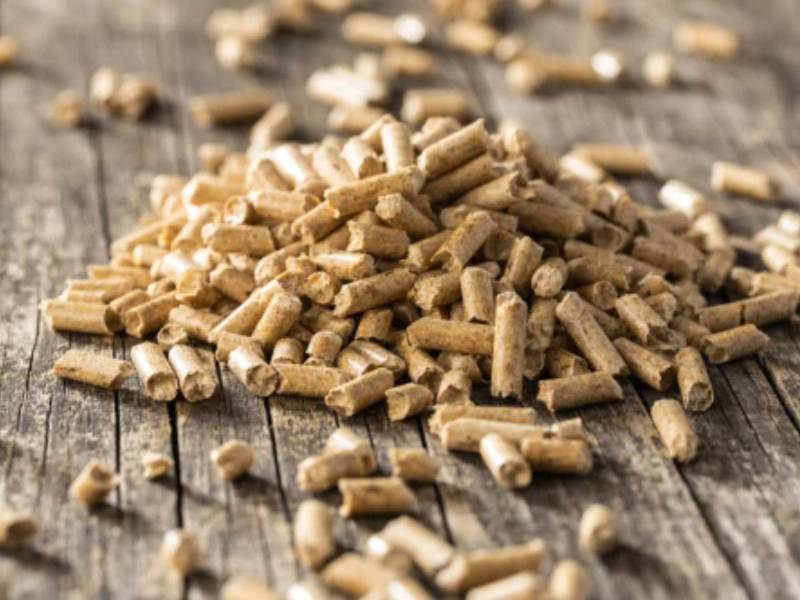
GCV~3,800 kcal/kg
Moisture<10%
Ash~8%
SizeØ 6–12 mm
Sized for co-firing — flows through coal feed systems with zero retrofit.
05
Groundnut Pellets
→
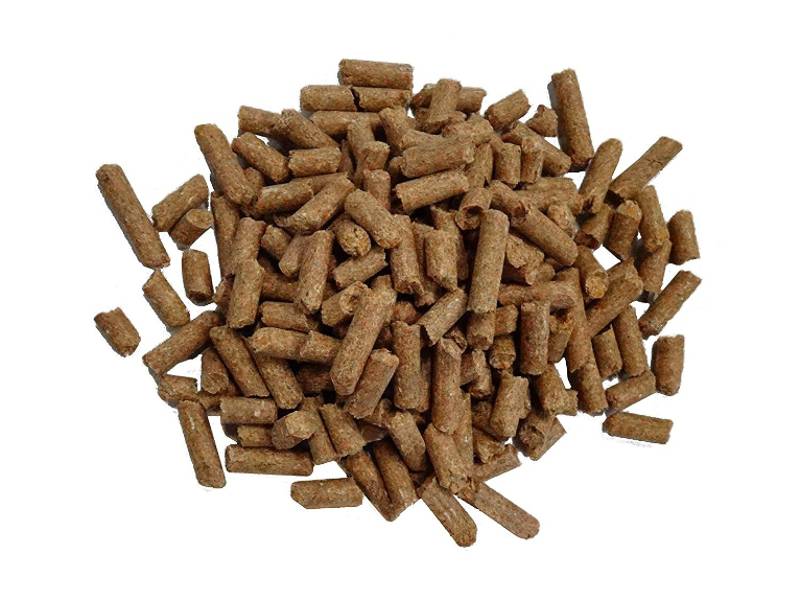
GCV~4,200 kcal/kg
Moisture<9%
Ash~6%
SizeØ 6–12 mm
Clean-burning pellets for thermal plants and industrial furnaces.
06
Sawdust Pellets
→
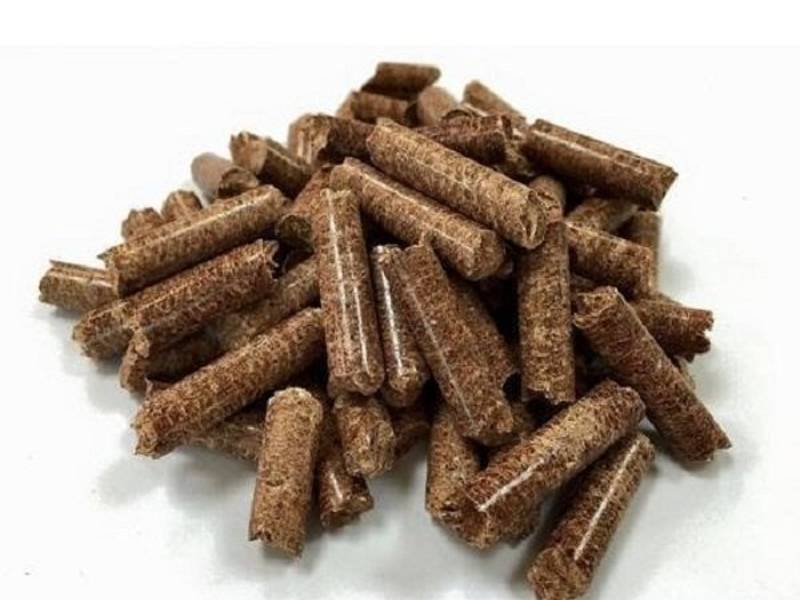
GCV~4,500 kcal/kg
Moisture<8%
Ash~2%
SizeØ 6–12 mm
Export-grade pellets meeting international quality benchmarks.